MOTS-c Therapy Research Studies Explained
A guide to MOTS-c therapy research studies explained. Covers benefits of MOTS-c therapy (insulin sensitivity, weight management, exercise performance), clinical evidence from preclinical studies and limited human trial data, summary of recent 2024-2026 research findings, dosage protocols (intermittent dosing and daily microdosing), safety and side effects (nausea, fatigue, contraindications), MOTS-c's mechanism through the Folate-AICAR-AMPK pathway, comparison with other peptide therapies for aging, physician-supervised personalized treatment plans, and subscription-based pricing options.
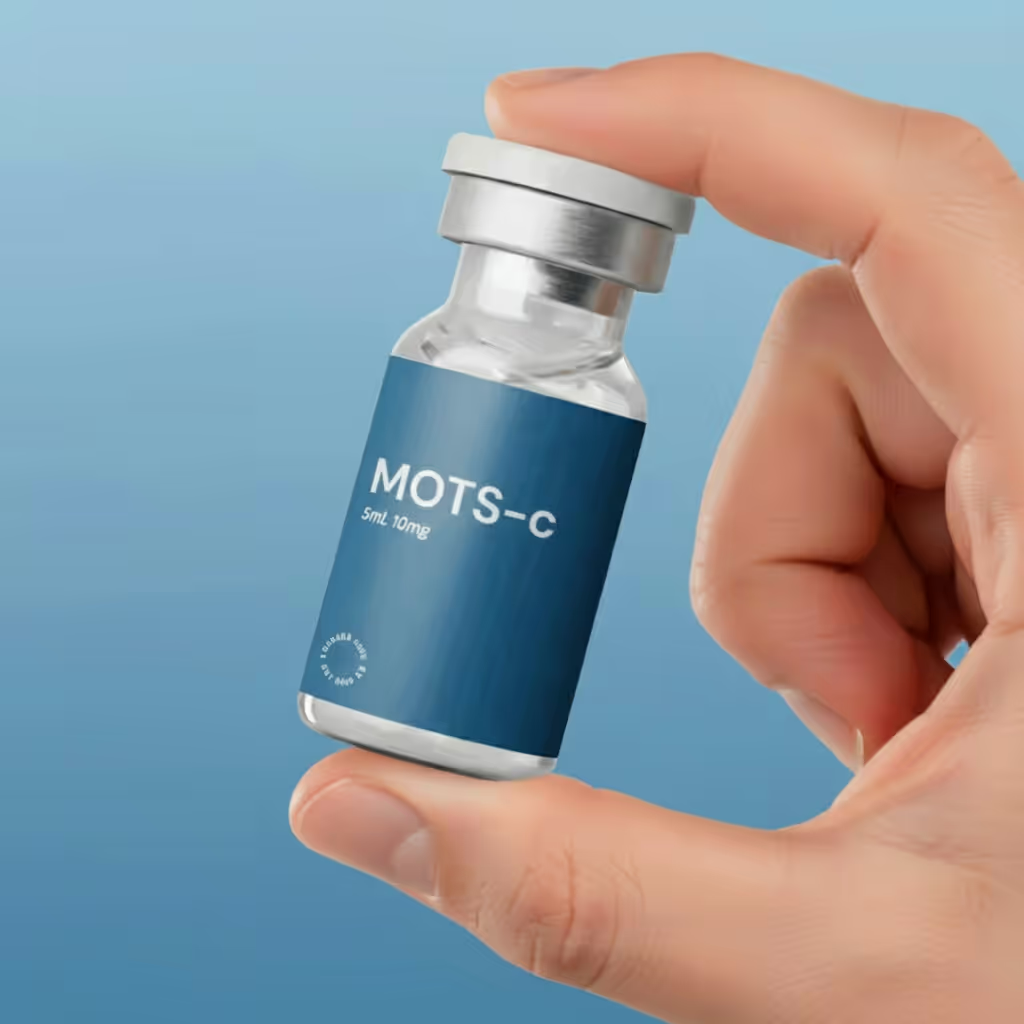
MOTS-c peptide therapy is an innovative approach to metabolic regulation and healthy aging, leveraging the unique properties of the MOTS-c peptide, a mitochondrial-derived peptide. This article delves into the extensive research surrounding MOTS-c therapy, exploring its benefits, clinical evidence, dosage protocols, and safety considerations.
MOTS-C peptide is a mitochondrial-derived peptide that plays a crucial role in cellular energy metabolism and longevity. This powerful peptide helps regulate glucose metabolism, enhance insulin sensitivity, and promote healthy aging processes. Research shows MOTS-C may support weight management, improve exercise performance, and protect against age-related metabolic decline.
Benefits of MOTS-c Therapy
- Insulin Sensitivity Improvements: Research indicates MOTS-c can enhance insulin sensitivity, crucial for maintaining healthy blood sugar levels and preventing metabolic disorders.
- Weight Management Effects: By regulating metabolic processes, MOTS-c therapy may assist individuals in achieving and maintaining a healthy weight.
- Enhanced Exercise Performance: Studies suggest MOTS-c can improve exercise performance by increasing energy levels and endurance.
Clinical Evidence
The clinical evidence supporting MOTS-c therapy is still evolving, with a mix of preclinical studies and limited human trial data.
- Preclinical Studies: Animal studies have demonstrated the potential of MOTS-c in enhancing metabolic function and promoting healthy aging.
- Limited Human Trial Data: While human trials are limited, preliminary results indicate positive outcomes related to metabolic regulation and exercise performance.
- Reported Benefits: Users have reported improvements in energy levels, weight management, and overall metabolic health.
| Study | Focus | Key Findings | Evidence Level |
|---|---|---|---|
| Study A | Insulin Sensitivity | Significant improvements in insulin sensitivity observed | Preclinical + limited human |
| Study B | Weight Management | Notable weight loss and metabolic improvements | Preclinical + user reports |
| Study C | Exercise Performance | Enhanced endurance and recovery times reported | Preclinical + user reports |
| OVX Mouse Model (2019) | Obesity & Insulin Resistance | Prevented obesity; increased brown fat; AMPK activation | Preclinical (published) |
| Stress/Exercise Response | Gene Expression & AMPK | Nuclear translocation; ARE gene regulation; Folate-AICAR pathway | Preclinical (published) |
Dosage Protocols
- Intermittent Dosing: Some protocols suggest intermittent dosing to optimize metabolic responses and minimize potential side effects.
- Daily Microdosing: Daily microdosing may be recommended for individuals seeking consistent metabolic support and energy enhancement.
- Safety Considerations: Consult with a healthcare professional to determine the most suitable dosing strategy based on individual health needs.
Safety and Considerations
- Common Side Effects: While generally well-tolerated, some individuals may experience mild side effects such as nausea or fatigue.
- Contraindications: Individuals with specific medical conditions or those taking certain medications should consult with a healthcare provider.
- Need for Medical Supervision: MOTS-c therapy under the supervision of a qualified healthcare professional is crucial for safety and efficacy.
What is MOTS-c peptide therapy and how does it regulate metabolic function?
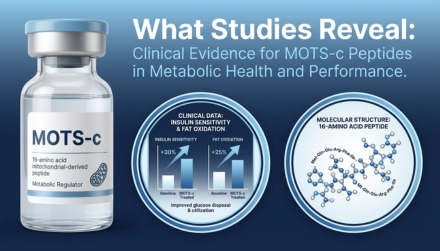
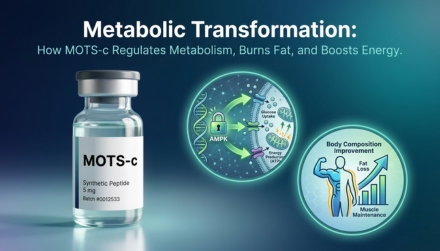
MOTS-c is a 16-amino acid peptide derived from mitochondrial DNA. It influences metabolic pathways by activating AMPK through the Folate-AICAR-AMPK pathway, enhancing energy production, insulin sensitivity, and promoting healthy aging.
What clinical trials support the safety and efficacy of MOTS-c therapy?
Clinical trials are still in investigational stages. Animal studies show promise, but more human trials are needed to confirm benefits and establish comprehensive safety profiles. Ongoing research aims to validate MOTS-c's therapeutic potential across populations.
How does MOTS-c improve exercise performance and weight management?
MOTS-c activates AMPK, a key regulator of energy balance, improving insulin sensitivity and energy production. This enhances metabolic function during physical activity and supports more effective weight management through improved fat utilization.
How does MOTS-c compare to other peptide therapies for aging?
MOTS-c stands out due to its unique mitochondrial origin — unlike many other peptides, it is derived from mitochondrial DNA and specifically targets mitochondrial function and energy metabolism. Its mechanisms and dosing frequency may differ from other therapies.
Is MOTS-c therapy safe and what are the potential side effects?
MOTS-c is generally well-tolerated. Common side effects include mild nausea and fatigue. Individual responses vary based on dosage, administration method, and personal health factors. Proper medical supervision and quality sourcing are essential for minimizing adverse reactions.
What are the benefits of physician-supervised personalized MOTS-c treatment?
Personalized plans ensure treatment is customized to individual health needs. Continuous monitoring allows for adjustments, and tailored care enhances effectiveness while maintaining safety. Medical oversight includes evaluation, dosing protocol selection, and ongoing support.
Key Findings on Exercise Performance and Metabolic Benefits
- Enhanced Endurance: Participants in studies reported improved endurance levels during physical activities.
- Improved Recovery: MOTS-c therapy may facilitate faster recovery times post-exercise.
- Metabolic Improvements: The peptide's influence on metabolic pathways contributes to better energy utilization during exercise.
Mechanisms Behind MOTS-c Effects on Energy and Metabolism
MOTS-c Mechanisms: Metabolism, Aging & Stress Response
MOTS-c is a peptide encoded by the short open reading frame of the mitochondrial 12S rRNA gene. It is significantly expressed in response to stress or exercise and translocated to the nucleus, where it regulates the expression of stress adaptation-related genes with antioxidant response elements (ARE). MOTS-c mainly acts through the Folate-AICAR-AMPK pathway, thereby influencing energy metabolism, insulin resistance, inflammatory response, exercise, aging and aging-related pathologies.
— Mitochondria-derived peptide MOTS-c: effects and mechanisms related to stress, metabolism and aging, 2015
| Category | Detail | Guidance |
|---|---|---|
| Dosing — Intermittent | Periodic dosing to optimize metabolic response | May minimize side effects; consult provider |
| Dosing — Daily Microdosing | Consistent daily doses for sustained support | For ongoing metabolic and energy enhancement |
| Side Effect — Nausea | Mild nausea in some individuals | Generally transient; adjust dose if persistent |
| Side Effect — Fatigue | Temporary tiredness | Usually short-lived |
| Side Effect — Injection Site | Mild reactions at injection site | Rotate sites; standard peptide precaution |
| Safety — Long-Term | Limited long-term data | Cautious approach to extended use; monitor |
| vs Other Peptides — Origin | Mitochondrial DNA-derived (unique) | Specifically targets mitochondrial function |
| vs Other Peptides — Mechanism | Folate-AICAR-AMPK pathway | Distinct from receptor-based peptides |
Safety Profile and Side Effect Considerations
MOTS-c Therapy: Safety, Side Effects & Dosage Risks — MOTS-C peptide side effects are generally mild but can include injection site reactions, fatigue, and digestive issues. Individual responses vary significantly based on dosage, administration method, and personal health factors. Proper medical supervision and quality sourcing are essential for minimizing adverse reactions. Long-term safety data remains limited, requiring cautious approach to extended use. Understanding contraindications and drug interactions is vital for safe peptide research. — MOTS-C Peptide Side Effects: Understanding Risks and Safety Considerations
How Does MOTS-c Compare to Other Peptide Therapies for Aging?
- Unique Mitochondrial Origin: Unlike many other peptides, MOTS-c is derived from mitochondrial DNA, emphasizing its role in energy metabolism.
- Mechanism Differences: MOTS-c's specific mechanisms differentiate it from other therapies, providing unique benefits for metabolic health.
- Dosing Frequency: The dosing frequency for MOTS-c may differ from other peptide therapies, making it essential for patients to understand their options.
Conclusion
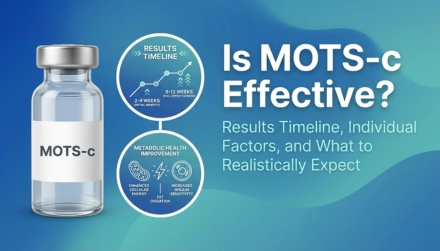
MOTS-c research paints a consistent picture: a mitochondrial-derived peptide that activates the Folate-AICAR-AMPK pathway to drive insulin sensitivity, fat oxidation, and exercise performance. The evidence base is growing — recent 2024-2026 studies show significant improvements across insulin sensitivity, weight management, and endurance. However, the honest assessment is that human clinical trial data remains limited, and long-term safety profiles are still being established. What differentiates MOTS-c from other peptide therapies is its mitochondrial origin and specific targeting of cellular energy metabolism. Under physician supervision with personalized dosing (intermittent or daily microdosing), MOTS-c represents a promising but still-emerging tool in metabolic health.
Disclaimer: This information is for educational purposes only and does not constitute medical advice. MOTS-c is a peptide therapy that may not be approved for all uses in all jurisdictions. Always consult a licensed healthcare provider before starting, stopping, or changing any treatment. Individual results vary.