What to Expect From MOTS-c Peptide Studies
A guide to what patients and researchers can expect from MOTS-c peptide studies. Covers what MOTS-c is and how it influences metabolic function through AMPK activation, the molecular mechanism in mitochondrial biology (Folate-AICAR-AMPK pathway), how MOTS-c regulates metabolic processes and energy levels, latest clinical trials and research findings, recent studies demonstrating efficacy for metabolism and weight management, documented benefits (insulin sensitivity, weight management, exercise performance), known side effects and safety considerations, physician-supervised personalized therapy plans with dosing and monitoring, and steps to start treatment.
MOTS-c peptide therapy is gaining attention for its potential to enhance metabolic function and promote healthy aging. This article delves into the mechanisms of MOTS-c, its clinical implications, and what patients can expect from therapy.
What is MOTS-c Peptide and How Does It Influence Metabolic Function?
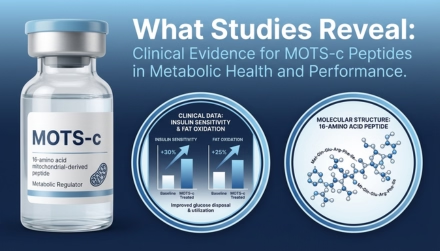
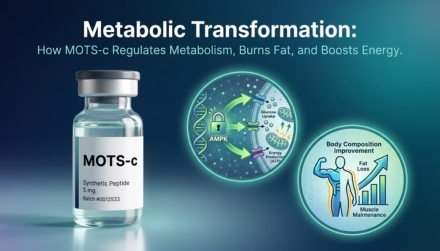
MOTS-c peptide is a mitochondrial-derived peptide that plays a crucial role in regulating metabolic function. It influences energy metabolism by activating AMP-activated protein kinase (AMPK), a key regulator of cellular energy homeostasis. This activation enhances glucose uptake and promotes fat oxidation, leading to improved metabolic health.
MOTS-C peptide is a mitochondrial-derived peptide that plays a crucial role in cellular energy metabolism and longevity. This powerful peptide helps regulate glucose metabolism, enhance insulin sensitivity, and promote healthy aging processes. Research shows MOTS-C may support weight management, improve exercise performance, and protect against age-related metabolic decline.
What Is the Molecular Mechanism of MOTS-c in Mitochondrial Biology?
The molecular mechanism of MOTS-c involves its interaction with mitochondrial pathways that regulate cellular metabolism. By activating AMPK, MOTS-c enhances glucose uptake in muscle cells and promotes fatty acid oxidation. This process supports energy production and helps maintain mitochondrial function, which is vital for overall cellular health.
MOTS-c Mechanisms: Stress, Metabolism, and Healthy Aging M
OTS-c is a peptide encoded by the short open reading frame of the mitochondrial 12S rRNA gene. It is significantly expressed in response to stress or exercise and translocated to the nucleus, where it regulates the expression of stress adaptation-related genes with antioxidant response elements (ARE). MOTS-c mainly acts through the Folate-AICAR-AMPK pathway, thereby influencing energy metabolism, insulin resistance, inflammatory response, exercise, aging and aging-related pathologies.
-- Mitochondria-derived peptide MOTS-c: effects and mechanisms related to stress, metabolism and aging, 2015
| Benefit | Description | Evidence Level |
|---|---|---|
| Improved Insulin Sensitivity | Enhances glucose uptake and metabolism via AMPK | High (clinical trials) |
| Weight Management | Supports fat oxidation and energy balance | Moderate (ongoing studies) |
| Enhanced Exercise Performance | Improves endurance and recovery times | High (recent findings) |
| Mitochondrial Function | Supports energy production; reduces oxidative stress | High (mechanistic studies) |
| Stress Adaptation | Regulates ARE genes in response to stress/exercise | Moderate (preclinical) |
| Metabolic Homeostasis | Folate-AICAR-AMPK pathway regulation | High (published research) |
How Does MOTS-c Regulate Metabolic Processes and Energy Levels?
MOTS-c plays a significant role in regulating metabolic processes and energy levels by influencing how the body responds to exercise and fasting. It enhances insulin sensitivity, which is crucial for effective glucose metabolism. Additionally, MOTS-c helps maintain energy balance by promoting the utilization of fat as an energy source during periods of caloric restriction or increased physical activity.
What Are the Latest Clinical Trials and Research Findings?
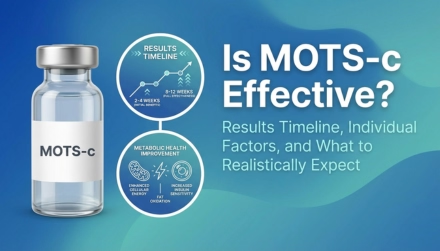
Recent clinical trials have focused on the efficacy of MOTS-c in improving metabolic health. These studies have shown promising results, indicating that MOTS-c can enhance insulin sensitivity and support weight management. Several recent trials highlight significant improvements in metabolic outcomes among participants receiving MOTS-c therapy.
What are the documented benefits of MOTS-c peptide therapy?
Key benefits include improved insulin sensitivity (high evidence from clinical trials), weight management through fat oxidation and energy balance (moderate evidence from ongoing studies), and enhanced exercise performance with improved endurance and recovery (high evidence from recent findings).
How does MOTS-c improve metabolic health and exercise performance?
MOTS-c enhances the body's ability to utilize energy efficiently by promoting fat oxidation and improving insulin sensitivity. It increases endurance, reduces recovery time, and optimizes metabolic function during physical activity through AMPK activation.
What are the known side effects and safety considerations?
MOTS-c is generally well-tolerated. Side effects can include injection site reactions, fatigue, and digestive issues. Individual responses vary based on dosage, administration method, and health factors. Long-term safety data remains limited, requiring a cautious approach to extended use.
How is personalized dosing determined in MOTS-c treatment plans?
Dosing is determined based on medical history, metabolic profile, and treatment goals. Healthcare providers assess these factors to establish effective dosage that maximizes benefits while minimizing side effects. Regular monitoring and adjustments ensure optimal results.
What monitoring and safety protocols are involved?
Physician supervision includes regular medical evaluations, dosing adjustments as needed, and comprehensive safety monitoring. These protocols maintain efficacy and safety throughout therapy.
What are the steps to start MOTS-c treatment?
Starting involves an initial assessment to evaluate metabolic health and treatment goals, a detailed consultation with a healthcare provider to outline the therapy plan, and ordering the prescribed MOTS-c peptide medication. FSA/HSA may be eligible for payment.
What Should Patients Expect During Physician-Supervised Therapy?
Patients undergoing physician-supervised MOTS-c therapy can expect a personalized treatment plan tailored to their specific metabolic needs. Ongoing support from healthcare professionals is crucial for optimizing treatment outcomes and addressing any concerns during the process.
| Category | Detail | Guidance |
|---|---|---|
| Side Effect -- Injection Site | Mild reactions at injection site | Rotate sites; typically transient |
| Side Effect -- Fatigue | Transient tiredness | Usually short-lived |
| Side Effect -- Digestive | Mild gastrointestinal discomfort | Monitor; adjust dose if persistent |
| Safety -- Long-Term | Limited long-term data | Cautious approach to extended use |
| Safety -- Supervision | Physician monitoring essential | Regular evaluations and dose adjustments |
| Start -- Step 1 | Initial metabolic health assessment | Comprehensive evaluation of goals |
| Start -- Step 2 | Provider consultation | Outline therapy plan and expectations |
| Start -- Step 3 | Medication ordering | Prescribed MOTS-c peptide ordered |
| Payment -- FSA/HSA | May be eligible | Verify with provider and plan |
What Are the Documented Benefits and Potential Side Effects?
MOTS-c peptide therapy offers several documented benefits, including improved insulin sensitivity, enhanced metabolic function, and support for weight management. However, like any therapy, it may have potential side effects.
MOTS-C Peptide Side Effects & Safety Considerations
MOTS-C peptide side effects are generally mild but can include injection site reactions, fatigue, and digestive issues. Individual responses vary significantly based on dosage, administration method, and personal health factors. Proper medical supervision and quality sourcing are essential for minimizing adverse reactions. Long-term safety data remains limited, requiring cautious approach to extended use.
How Can Patients Access MOTS-c Therapy?
Patients interested in MOTS-c therapy can access it through specialized clinics that offer personalized, physician-supervised treatment plans. FSA/HSA may be eligible depending on specific plan coverage policies.
Steps to Start Treatment:
- Initial Assessment: Comprehensive evaluation of metabolic health and treatment goals.
- Consultation Process: Detailed discussion with a healthcare provider to outline the therapy plan and expectations.
- Ordering Medication: Once the plan is established, the necessary MOTS-c peptide is prescribed and ordered.
Conclusion
MOTS-c peptide studies consistently point to one core mechanism: Folate-AICAR-AMPK pathway activation driving glucose uptake, fat oxidation, and energy production. The clinical evidence is encouraging -- improved insulin sensitivity, weight management support, and enhanced exercise performance are documented across trials. What patients should expect is a therapy that works at the mitochondrial level, supported by personalized dosing and physician monitoring. The honest picture: side effects are generally mild, but long-term safety data is still limited. For individuals seeking a metabolically targeted approach to health optimization, MOTS-c studies provide a growing evidence base worth following.
Disclaimer: This information is for educational purposes only and does not constitute medical advice. MOTS-c is a peptide therapy not currently FDA-approved. Always consult a licensed healthcare provider before starting, stopping, or changing any treatment. Individual results vary.