MOTS-c Peptide vs Traditional Immune Support Solutions: Comprehensive Analysis of Peptide Therapy Benefits and Immune System Effects
A comprehensive analysis comparing MOTS-c peptide therapy to traditional immune support solutions. Covers benefits of MOTS-c for immune function and metabolic health through AMPK activation, comparison with traditional vitamins and supplements, the molecular role of MOTS-c in mitochondrial and immune health via the Folate-AICAR-AMPK pathway, clinical evidence for immune modulation effects, how MOTS-c differs from traditional supplements in targeting mitochondrial function, advantages of physician-supervised therapy over OTC supplements, metabolic and aging benefits, impact on weight management, promotion of healthy aging through cellular health, personalized treatment and physician supervision, and safety/eligibility/payment options.
The MOTS-c peptide represents a groundbreaking approach to immune support, diverging from traditional methods that often rely on vitamins and supplements. This article explores the unique benefits of MOTS-c peptide therapy, its mechanisms, and advantages over conventional immune support solutions.
Benefits of MOTS-c Peptide Therapy
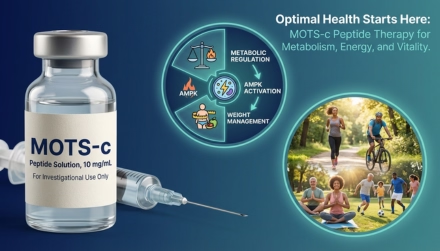
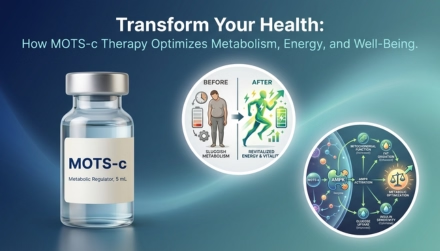
MOTS-c peptide therapy offers a range of benefits that significantly enhance immune function and metabolic health. This peptide, derived from mitochondrial DNA, plays a crucial role in regulating energy metabolism and immune responses. By activating AMPK, MOTS-c promotes cellular energy production and metabolic optimization, leading to improved energy levels and overall vitality. Additionally, the synergistic effects of MOTS-c with lifestyle changes, such as diet and exercise, can further amplify its benefits.
Unlike traditional supplements that may provide limited benefits, MOTS-c directly influences mitochondrial function, enhancing the body's ability to respond to stressors and infections. This targeted approach supports immune health while contributing to better metabolic regulation.
| Factor | MOTS-c Peptide Therapy | Traditional Supplements |
|---|---|---|
| Mechanism | Activates AMPK for metabolic and immune regulation | Provides nutrients to support immune function |
| Target | Mitochondrial function and cellular energy | General nutritional support |
| Immune Effect | Enhances immune cell proliferation and function | Supports baseline immune health |
| Metabolic Integration | Simultaneous metabolic and immune benefits | Limited metabolic impact |
| Root Cause | Addresses underlying metabolic issues affecting immunity | May not target metabolic dysfunction |
| Supervision | Physician-supervised; personalized dosing | Self-administered; general dosing |
| Research Evidence | Emerging clinical studies; AMPK pathway validated | Varied effectiveness based on individual needs |
Comparison with Traditional Immune Support Solutions
Traditional methods often rely on vitamins, minerals, and herbal supplements, which may not address underlying metabolic issues affecting immune function. MOTS-c peptide therapy directly targets mitochondrial health, providing a more effective means of enhancing immune responses.
What is MOTS-c Peptide and How Does It Support Immune Function?
MOTS-c is a mitochondrial-derived peptide that plays a vital role in regulating metabolic processes and immune function. By enhancing mitochondrial activity, MOTS-c supports the body's ability to manage energy levels and respond to immune challenges effectively.
Molecular Role of MOTS-c in Mitochondrial and Immune Health
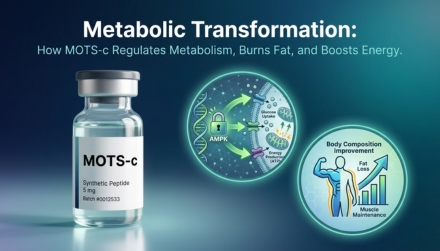
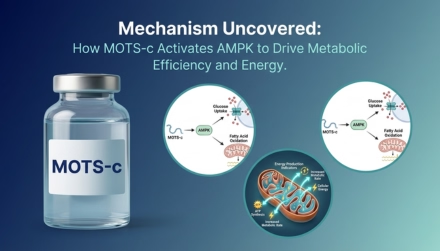
MOTS-c activates AMPK, which is crucial for maintaining cellular energy homeostasis. By stimulating AMPK, MOTS-c enhances mitochondrial function, leading to increased ATP production and improved energy availability for immune cells. This process supports immune responses and helps reduce inflammation.
MOTS-c Peptide: Regulating Metabolism, Inflammation & Healthy Aging
MOTS-c is a peptide encoded by the short open reading frame of the mitochondrial 12S rRNA gene. It is significantly expressed in response to stress or exercise and translocated to the nucleus, where it regulates the expression of stress adaptation-related genes with antioxidant response elements (ARE). MOTS-c mainly acts through the Folate-AICAR-AMPK pathway, thereby influencing energy metabolism, insulin resistance, inflammatory response, exercise, aging and aging-related pathologies.
-- Mitochondria-derived peptide MOTS-c: effects and mechanisms related to stress, metabolism and aging, 2015
Clinical Evidence Supporting MOTS-c's Immune Modulation Effects
Recent clinical studies have begun to explore MOTS-c's immune modulation effects. Preliminary findings suggest MOTS-c can enhance the proliferation of immune cells and improve their functionality, leading to better overall immune responses. As research continues, the potential for MOTS-c as a therapeutic option for immune-related conditions becomes increasingly evident.
How does peptide therapy compare to traditional immune support supplements?
Peptide therapy, particularly MOTS-c, works at a molecular level to enhance the body's natural defenses. Traditional supplements provide essential nutrients but often lack the ability to directly influence cellular metabolism and immune function. MOTS-c offers a more targeted approach.
What are the differences between MOTS-c and vitamins or supplements?
MOTS-c specifically targets mitochondrial function and metabolic regulation by activating AMPK, while vitamins may support general health without addressing cellular metabolism. MOTS-c provides a more comprehensive solution addressing root causes of immune dysfunction.
What are the advantages of physician-supervised therapy over OTC immune support?
Physician-supervised MOTS-c therapy ensures personalized treatment tailored to specific health needs. Physician oversight allows careful monitoring of dosage and effectiveness, maximizing benefits while minimizing risks associated with self-administered supplements.
What are the metabolic and aging benefits of MOTS-c?
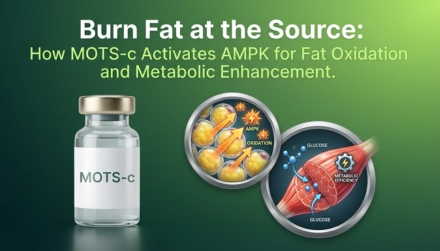
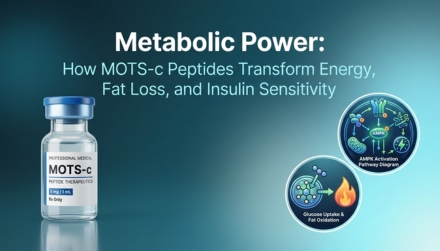
MOTS-c enhances fat oxidation and glucose metabolism through AMPK activation, aiding weight management. It promotes healthy aging by maintaining cellular health and resilience against age-related decline, protecting against oxidative stress.
How is MOTS-c therapy personalized?
Physicians assess individual health profiles and tailor treatment plans accordingly. This personalized approach enhances effectiveness and provides confidence that treatment is being managed by a qualified professional with ongoing monitoring.
What are the safety, eligibility, and payment options?
MOTS-c has a favorable safety profile with minimal side effects. Eligibility includes a thorough health assessment by a physician. FSA/HSA may be eligible for payment. Patients should discuss financial considerations with their healthcare provider.
How Does Peptide Therapy Compare to Traditional Supplements?
MOTS-c offers distinct advantages over traditional immune support supplements. While supplements provide essential nutrients, they often lack the ability to directly influence cellular metabolism and immune function. MOTS-c works at a molecular level to enhance the body's natural defenses.
Advantages of Physician-Supervised Therapy Over OTC Immune Support
Physician-supervised MOTS-c therapy is administered with personalized treatment tailored to specific health needs. Physician oversight allows careful monitoring of dosage and effectiveness, maximizing benefits while minimizing potential risks associated with self-administered supplements.
| Category | Detail | Guidance |
|---|---|---|
| Metabolic -- Fat Oxidation | AMPK activation promotes fat burning | Supports weight management alongside immune health |
| Metabolic -- Insulin Sensitivity | Improves glucose metabolism | Better energy regulation |
| Aging -- Cellular Health | Protects against oxidative stress | Potentially extends healthspan |
| Aging -- Mitochondrial | Enhances mitochondrial activity | Maintains resilience against age-related decline |
| Personalization | Physician assesses individual health profile | Tailored treatment for optimal results |
| Lifestyle Synergy | Diet and exercise amplify MOTS-c benefits | Comprehensive health approach |
| Safety | Favorable profile; minimal side effects | Thorough health assessment required |
| Payment -- FSA/HSA | May be eligible | Discuss with provider |
Metabolic and Aging Benefits of MOTS-c
MOTS-c not only supports immune function but also offers significant metabolic and aging benefits. By enhancing mitochondrial function, MOTS-c improves metabolic health, aiding in weight management and energy regulation. Its role in promoting healthy aging helps maintain cellular health and resilience against age-related decline.
How Is MOTS-c Therapy Personalized and Supervised?
MOTS-c therapy is personalized to meet each patient's unique needs. Physicians assess individual health profiles and tailor treatment plans accordingly, ensuring optimal results with the confidence that treatment is managed by a qualified professional.
Safety, Eligibility, and Payment Options
MOTS-c has a favorable safety profile with minimal side effects. Eligibility typically includes a thorough health assessment by a physician. Payment options may vary, and patients are encouraged to discuss financial considerations with their provider. FSA/HSA may be eligible for therapy costs.
Conclusion
The comparison between MOTS-c and traditional immune support comes down to mechanism depth. Vitamins and supplements provide raw materials -- MOTS-c activates the cellular machinery (AMPK through the Folate-AICAR-AMPK pathway) that determines how effectively those materials get used. By enhancing mitochondrial function and ATP production in immune cells, reducing inflammation through stress adaptation gene regulation, and providing simultaneous metabolic benefits, MOTS-c delivers immune support at a level that nutrient supplementation alone cannot reach. Preliminary immune modulation data showing enhanced immune cell proliferation adds to the mechanistic case. Under physician supervision, MOTS-c offers a targeted, metabolically grounded approach to immune health that complements rather than competes with foundational nutrition.
Disclaimer: This information is for educational purposes only and does not constitute medical advice. MOTS-c is a peptide therapy not currently FDA-approved. Always consult a licensed healthcare provider before starting, stopping, or changing any treatment. Individual results vary.