MOTS-c Therapy: Benefits and Mechanism Uncovered
A guide to MOTS-c therapy benefits and mechanisms. Covers what MOTS-c is as a mitochondrial-derived peptide and how it works through AMPK activation, how it regulates metabolic function at the cellular level (glucose uptake, fatty acid oxidation, mitochondrial efficiency), proven benefits (improved insulin sensitivity, weight management, enhanced exercise performance), the role of MOTS-c in energy enhancement and weight management, clinical evidence including ovariectomy-induced obesity prevention, personalized physician-supervised treatment plans with customized dosing, safety profile and common side effects, healthy aging and longevity support through the Folate-AICAR-AMPK pathway, and practical considerations for starting therapy including FSA/HSA eligibility.
MOTS-c therapy is an innovative approach to enhancing metabolic health through the use of a mitochondrial-derived peptide known as MOTS-c. This therapy has gained attention for its potential to improve energy levels, weight management, and overall metabolic function.
What is MOTS-c Peptide Therapy and How Does It Work?
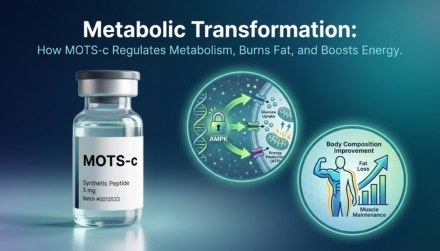
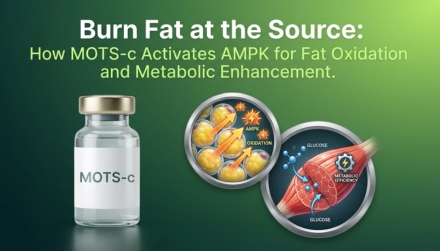
MOTS-c peptide therapy involves the administration of the MOTS-c peptide, derived from mitochondrial DNA. This peptide functions by influencing metabolic pathways related to energy production and utilization. MOTS-c enhances the activation of adenosine monophosphate-activated protein kinase (AMPK), a key regulator of cellular energy homeostasis. By activating AMPK, MOTS-c promotes glucose uptake and fatty acid oxidation, leading to improved metabolic efficiency.
Defining MOTS-c as a Mitochondrial-Derived Peptide
MOTS-c is produced within the mitochondria, the energy-producing organelles of cells. This peptide is unique in its ability to communicate metabolic signals that influence how the body utilizes energy. Its structure allows it to interact with various cellular pathways, making it a critical player in metabolic regulation.
How MOTS-c Regulates Metabolic Function at the Cellular Level
At the cellular level, MOTS-c regulates metabolic function by activating AMPK, leading to increased glucose uptake by cells and enhanced mitochondrial function. By improving the efficiency of energy production, MOTS-c helps combat metabolic disorders and supports overall health.
MOTS-C (Mitochondrial Open Reading Frame of the 12S rRNA-c) represents a fascinating class of peptides derived from mitochondrial DNA. This 16-amino acid peptide plays a crucial role in cellular metabolism and energy production. The peptide works by enhancing glucose uptake in skeletal muscle, improving insulin sensitivity, and promoting metabolic flexibility.
| Category | Detail | Impact |
|---|---|---|
| Mechanism -- AMPK Activation | Activates cellular energy homeostasis regulator | Improved metabolic efficiency |
| Mechanism -- Glucose Uptake | Enhances glucose uptake in skeletal muscle | Better blood sugar control |
| Mechanism -- Fat Oxidation | Promotes fatty acid breakdown | Direct fat loss support |
| Mechanism -- Mitochondrial | Improves mitochondrial function and efficiency | Enhanced energy production |
| Benefit -- Insulin Sensitivity | Improves body's response to insulin | Healthy blood sugar maintenance |
| Benefit -- Weight Management | Fat oxidation and reduced accumulation | Effective weight control |
| Benefit -- Exercise Performance | Improved endurance and physical performance | Better energy production during activity |
| Evidence -- OVX Mouse Model | Prevented obesity; brown fat activation; AMPK improvement | High-potential metabolic dysfunction candidate |
What Are the Proven Benefits of MOTS-c Peptide Therapy?
- Improved Insulin Sensitivity: Enhances the body's response to insulin for healthy blood sugar levels.
- Weight Management: Promotes fat oxidation and reduces fat accumulation.
- Enhanced Exercise Performance: Improved endurance and physical performance through better energy production.
Enhancement of Metabolic Health and Energy Levels
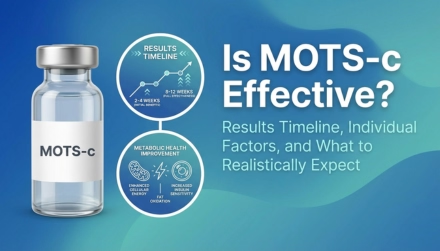
By improving insulin sensitivity and promoting efficient energy utilization, individuals may experience increased vitality and reduced fatigue. This is particularly beneficial for those who lead active lifestyles or are looking to improve their overall well-being.
Role of MOTS-c in Weight Management and Exercise Performance
MOTS-c facilitates fat oxidation and regulates blood sugar levels, helping maintain a healthy weight. The energy-boosting effects enhance exercise performance, allowing individuals to train harder and recover more effectively.
MOTS-c for Metabolic Dysfunction, Obesity & Insulin Resistance
MOTS-c treatment in mice prevented ovariectomy-induced obesity and insulin resistance. MOTS-c treatment increased brown fat activation and reduced OVX-induced fat accumulation and inflammatory invasion in white adipose tissue. Moreover, MOTS-c activated AMPK pathway to improve energy dissipation and insulin sensitivity. In conclusion, MOTS-c is a high potential candidate for chronic treatment of menopausal induced metabolic dysfunction.
-- MOTS-c peptide regulates adipose homeostasis to prevent ovariectomy-induced metabolic dysfunction, 2019
How are MOTS-c therapy plans personalized?
Personalization begins with an initial evaluation of metabolic health and specific goals. Dosage is customized based on baseline metabolic health, activity level, and health goals. Ongoing monitoring and adjustments ensure the therapy remains effective and safe.
Is MOTS-c therapy safe and what are the side effects?
MOTS-c is generally safe under physician guidance. Common side effects include mild injection site reactions (redness/swelling that resolves quickly) and temporary fatigue during the adjustment period. Human clinical trials are still limited, so patients should understand its investigational status.
How does MOTS-c support healthy aging and longevity?
MOTS-c acts through the Folate-AICAR-AMPK pathway, influencing energy metabolism, insulin resistance, and aging pathologies. It supports mitochondrial integrity, improves endurance, and mitigates age-related metabolic decline, potentially contributing to improved longevity and quality of life.
What role do mitochondrial peptides play in anti-aging?
Mitochondrial peptides including MOTS-c support cellular health by maintaining mitochondrial integrity, which is essential for metabolic function. They promote the health of mitochondria as individuals age, contributing to improved longevity and quality of life.
Is MOTS-c therapy eligible for FSA/HSA?
MOTS-c therapy may be eligible for coverage under FSA or HSA. Patients should consult with their insurance providers to determine coverage options and reimbursement possibilities.
How do I begin a physician-supervised MOTS-c treatment plan?
Schedule an initial consultation to discuss health goals and assess metabolic health, work with the provider to develop a customized dosing protocol, and maintain regular communication to monitor progress and make necessary adjustments.
Is MOTS-c Therapy Safe and What Are the Potential Side Effects?
MOTS-c therapy is generally considered safe when administered under qualified physician guidance. Common side effects include:
- Injection Site Reactions: Mild redness or swelling that typically resolves quickly.
- Fatigue During Adjustment: Some individuals experience temporary fatigue as their body adjusts.
- Monitoring Response: Regular follow-ups help manage side effects and ensure effectiveness.
While there is growing evidence supporting safety, human clinical trials remain limited. Patients should approach with an understanding of its investigational status.
| Category | Detail | Guidance |
|---|---|---|
| Safety -- Injection Site | Mild redness or swelling | Resolves quickly; standard precaution |
| Safety -- Fatigue | Temporary during adjustment | Body adapts; typically short-lived |
| Safety -- Clinical Data | Human trials still limited | Investigational status; caution advised |
| Aging -- Folate-AICAR-AMPK | Influences energy metabolism, insulin, inflammation, aging | Addresses age-related metabolic decline |
| Aging -- Mitochondrial Integrity | Supports mitochondrial health with age | Improved endurance and quality of life |
| Start -- Step 1 | Consultation with healthcare provider | Assess goals and metabolic health |
| Start -- Step 2 | Customized dosing protocol | Based on baseline health, activity, goals |
| Start -- Step 3 | Ongoing monitoring and adjustments | Regular communication with provider |
| Payment -- FSA/HSA | May be eligible for coverage | Consult insurance provider |
How Does MOTS-c Support Healthy Aging and Longevity?
MOTS-c supports healthy aging by improving metabolic function and energy levels. As individuals age, metabolic processes decline. MOTS-c enhances mitochondrial function and promotes efficient energy utilization to mitigate age-related metabolic decline.
MOTS-c Mechanisms: Energy Metabolism, Insulin & Aging
MOTS-c is a peptide encoded by the short open reading frame of the mitochondrial 12S rRNA gene. It is significantly expressed in response to stress or exercise and translocated to the nucleus, where it regulates the expression of stress adaptation-related genes with antioxidant response elements (ARE). MOTS-c mainly acts through the Folate-AICAR-AMPK pathway, thereby influencing energy metabolism, insulin resistance, inflammatory response, exercise, aging and aging-related pathologies.
-- Mitochondria-derived peptide MOTS-c: effects and mechanisms related to stress, metabolism and aging, 2015
How to Begin a Physician-Supervised MOTS-c Treatment Plan
- Consultation with Healthcare Provider: Schedule an initial consultation to discuss health goals and assess metabolic health.
- Dosing Protocol Selection: Work with the provider to develop a customized dosing protocol based on individual needs.
- Ongoing Communication: Maintain regular communication to monitor progress and make necessary adjustments.
FSA/HSA may be eligible for coverage -- consult with your insurance provider.
Conclusion
MOTS-c therapy works through a clear and well-characterized mechanism: AMPK activation at the mitochondrial level drives glucose uptake, fatty acid oxidation, and energy production. The proven benefits span insulin sensitivity, weight management, and exercise performance, backed by animal models showing prevented obesity and improved metabolic markers. What makes MOTS-c particularly relevant for aging populations is its action through the Folate-AICAR-AMPK pathway, which directly addresses the energy metabolism and stress homeostasis challenges that accelerate with age. Under physician supervision with personalized dosing based on individual metabolic profiles, MOTS-c therapy provides a mechanistically targeted approach to metabolic health that works at the cellular engine itself.
Disclaimer: This information is for educational purposes only and does not constitute medical advice. MOTS-c is a peptide therapy not currently FDA-approved. Always consult a licensed healthcare provider before starting, stopping, or changing any treatment. Individual results vary.