Nutrition and Diet Recommendations to Support MOTS-c Peptide Therapy for Metabolic Health Enhancement
A guide to nutrition and diet recommendations supporting MOTS-c peptide therapy. Covers dietary strategies (nutrient-dense foods, intermittent fasting, balanced macronutrients), specific nutrients (antioxidants, healthy fats, lean proteins) with sources and roles, lifestyle changes (exercise, sleep, stress management), individual factors affecting outcomes (age, baseline metabolic health, personalized treatment), how MOTS-c influences metabolic function through the Folate-AICAR-AMPK pathway, foods and nutrients that enhance MOTS-c activity, personalized diet plan development with physician supervision, and FSA/HSA eligibility for therapy and nutrition services.
Nutrition plays a crucial role in enhancing the effectiveness of MOTS-c peptide therapy, which is designed to improve metabolic health. This article explores dietary strategies, specific nutrients, and lifestyle changes that can support the benefits of MOTS-c therapy.
MOTS-c & Metabolic Homeostasis: Insulin Resistance Protection -- MOTS-c is known as mitochondrial open reading frame (ORF) of the twelve S c, produced by a small ORF-encoded peptides (SEPs) in mitochondrial 12S rRNA region. There is growing evidence that MOTS-c has a strong relationship with the expression of inflammation- and metabolism-associated genes and metabolic homeostasis, and even offering some protection against insulin resistance (IR). -- The correlation between mitochondrial derived peptide (MDP) and metabolic states: a systematic review and meta-analysis, 2024
Dietary Strategies
- Nutrient-Dense Foods: Focus on whole foods rich in vitamins, minerals, and antioxidants that support metabolic processes.
- Intermittent Fasting: This approach can enhance MOTS-c effects by promoting cellular repair and improving insulin sensitivity.
- Balanced Macronutrients: Ensure proper balance of carbohydrates, proteins, and fats to support energy levels and metabolic health.
| Nutrient | Role | Best Sources | MOTS-c Synergy |
|---|---|---|---|
| Antioxidants | Protect cells from oxidative stress | Berries, dark chocolate, green tea | Enhances metabolic resilience |
| Healthy Fats | Support hormone production and cellular health | Avocados, nuts, olive oil | Optimizes energy levels |
| Lean Proteins | Aid muscle repair and metabolic function | Chicken, fish, legumes | Supports metabolic processes |
| Omega-3 Fatty Acids | Support mitochondrial function | Fatty fish, flaxseeds, walnuts | Enhances mitochondrial health |
| Whole Grains | Sustained energy and fiber | Oats, brown rice, quinoa | Supports metabolic flexibility |
Specific Nutrients
Role of Antioxidants
Antioxidants are vital for combating oxidative stress, which can impair metabolic function. Foods rich in antioxidants, such as berries and dark chocolate, protect cells and support overall health, enhancing metabolic resilience alongside MOTS-c therapy.
Importance of Healthy Fats
Healthy fats are essential for hormone production and cellular health. Sources like avocados, nuts, and olive oil provide necessary fatty acids that support metabolic processes and optimize energy levels.
Lifestyle Changes
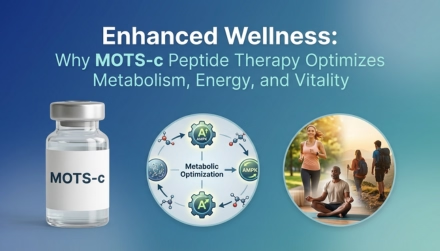
- Regular Exercise: Engaging in physical activity boosts metabolic function and improves energy levels. Both aerobic and strength training maximize MOTS-c therapy benefits.
- Adequate Sleep: Prioritizing sleep is crucial for recovery and metabolic health.
- Stress Management: Implementing stress-reduction techniques positively impacts metabolic outcomes.
How do individual factors influence MOTS-c therapy outcomes?
Age, baseline metabolic health, and personal goals significantly influence outcomes. Metabolic function can decline with age, requiring adapted dietary strategies. Individuals with pre-existing metabolic conditions may need more tailored approaches. Customizing diet plans based on individual needs enhances effectiveness.
What is MOTS-c and how does it influence metabolic function?
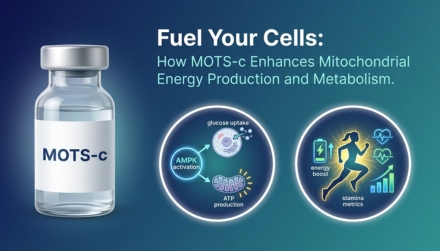
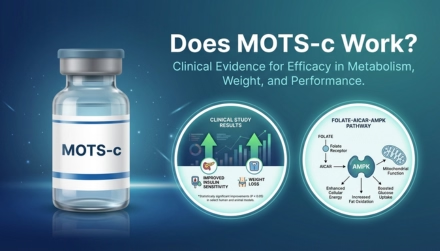
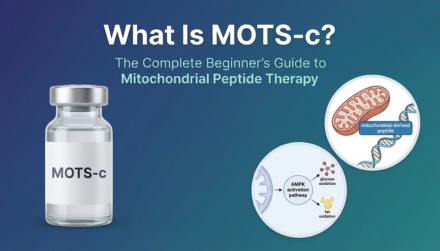
MOTS-c is a mitochondrial-derived peptide that enhances energy production and promotes metabolic flexibility. It acts through the Folate-AICAR-AMPK pathway, influencing energy metabolism, insulin resistance, and inflammatory response. Proper nutrition supports these metabolic pathways.
Which foods and nutrients enhance MOTS-c peptide activity?
Foods rich in antioxidants (berries, dark leafy greens, nuts), omega-3 fatty acids (fatty fish, flaxseeds, walnuts), and nutrient-dense options (whole grains, legumes, lean proteins). These provide essential nutrients supporting metabolic processes and enhancing MOTS-c activity.
How should personalized diet plans be developed for MOTS-c therapy?
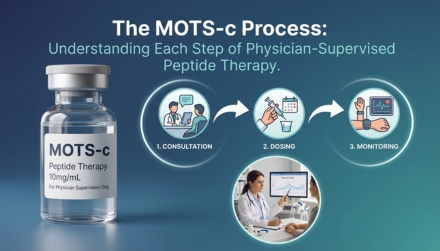
Work with a healthcare professional to develop tailored meal plans aligning with individual health goals and dietary preferences. Focus on incorporating nutrient-dense foods while considering personal tastes and lifestyle. Regular check-ins with a provider ensure dietary changes are effective and safe.
Why is physician supervision essential in MOTS-c nutrition planning?
Physicians provide tailored nutritional advice aligned with MOTS-c therapy, educate patients about the importance of diet in enhancing peptide effects, and monitor progress to make necessary adjustments. This oversight ensures dietary changes support rather than conflict with therapy.
Is MOTS-c therapy eligible for FSA/HSA reimbursement?
MOTS-c therapy may be eligible for FSA/HSA reimbursement, though eligibility varies by plan. Many plans may cover therapy if deemed medically necessary. Proper documentation and prescriptions may be required. Check specific plan limitations and exclusions.
What is MOTS-c and How Does It Influence Metabolic Function?
MOTS-c is a mitochondrial-derived peptide that enhances energy production and promotes metabolic flexibility, crucial for maintaining optimal health.
MOTS-c: Mechanisms for Energy Metabolism & Insulin Resistance
MOTS-c mainly acts through the Folate-AICAR-AMPK pathway, thereby influencing energy metabolism, insulin resistance, inflammatory response, exercise, aging and aging-related pathologies.
-- Mitochondria-derived peptide MOTS-c: effects and mechanisms related to stress, metabolism and aging, 2023
MOTS-c Peptide: Boosting Mitochondrial Energy & Metabolic Health
First characterized in 2015 by Lee et al. as a 16-amino-acid peptide encoded by a short open reading frame within the mitochondrial 12S rRNA gene, MOTS-c plays a direct role in optimizing how mitochondria use fuel. In rodent studies, supplementation with MOTS-c has been linked to better glucose management, improved physical endurance, and even greater resistance to diet-induced obesity.
-- MOTS-c Peptide: Can It Boost Mitochondrial Energy Safely?, 2021
| Category | Detail | Guidance |
|---|---|---|
| Strategy -- Nutrient-Dense | Whole foods rich in vitamins, minerals, antioxidants | Foundation for metabolic support |
| Strategy -- Intermittent Fasting | Promotes cellular repair and insulin sensitivity | Enhances MOTS-c effects |
| Strategy -- Balanced Macros | Proper carb/protein/fat balance | Supports energy and metabolic health |
| Lifestyle -- Exercise | Aerobic and strength training | Amplifies AMPK activation |
| Lifestyle -- Sleep | Adequate rest for recovery | Essential for metabolic health |
| Lifestyle -- Stress | Stress-reduction techniques | Positive metabolic impact |
| Individual -- Age | Metabolic function declines with age | Adapt dietary strategies accordingly |
| Individual -- Baseline Health | Pre-existing conditions may need tailored approach | Physician assessment essential |
| Access -- FSA/HSA | May be eligible for reimbursement | Check plan coverage and documentation |
Which Foods and Nutrients Enhance MOTS-c Activity?
- Antioxidant-Rich Foods: Berries, dark leafy greens, and nuts reduce oxidative stress.
- Omega-3 Fatty Acid Sources: Fatty fish, flaxseeds, and walnuts support mitochondrial function.
- Nutrient-Dense Options: Whole grains, legumes, and lean proteins provide essential metabolic building blocks.
Personalized Diet Plans for MOTS-c Therapy
- Tailored Meal Plans: Work with a healthcare professional to align with individual health goals.
- Effective Integration: Focus on nutrient-dense foods while considering personal preferences.
- Physician Supervision: Regular check-ins ensure dietary changes are effective and safe.
Conclusion
Nutrition is the foundation that MOTS-c therapy builds on -- the peptide activates AMPK and drives metabolic pathways, but those pathways need the right fuel to perform optimally. The three dietary pillars are clear: antioxidant-rich foods (berries, dark greens, nuts) to combat oxidative stress, healthy fats (avocados, olive oil, omega-3s) for cellular health, and lean proteins (fish, legumes, chicken) for metabolic support. Layer in intermittent fasting to enhance insulin sensitivity and regular exercise to amplify AMPK activation, and MOTS-c therapy operates in its most favorable metabolic environment. Individual factors like age and baseline metabolic health matter, which is why physician-supervised personalized nutrition plans are essential rather than optional.
Disclaimer: This information is for educational purposes only and does not constitute medical advice. MOTS-c is a peptide therapy not currently FDA-approved. Always consult a licensed healthcare provider before starting, stopping, or changing any treatment or diet plan. Individual results vary.