What Is MOTS-c Peptide Therapy and How Does It Work
A comprehensive guide to what MOTS-c peptide therapy is and how it works. Covers MOTS-c as a mitochondrial-derived peptide produced in response to metabolic stress, how it works through AMPK activation via the Folate-AICAR-AMPK pathway, benefits (improved insulin sensitivity, weight management, enhanced exercise performance), dosage protocols (initial 10-20 mg/week subcutaneous, then maintenance), safety considerations and common side effects (injection site reactions, temporary flushing, mild headache), clinical evidence from preclinical and animal studies including obesity prevention, physician supervision for personalized treatment, and steps to begin therapy with FSA/HSA eligibility.
MOTS-c peptide therapy is an innovative approach to enhancing metabolic function and overall health through the use of a specific mitochondrial-derived peptide known as MOTS-c. This therapy has gained attention for its potential to improve insulin sensitivity, support weight management, and enhance exercise performance.
What is MOTS-c?
MOTS-c is a mitochondrial-derived peptide that has emerged as a key player in metabolic regulation. It is produced in response to stressors such as exercise and caloric restriction, highlighting its role in adapting to metabolic challenges. By influencing cellular processes, MOTS-c helps maintain metabolic homeostasis.
How Does MOTS-c Work?
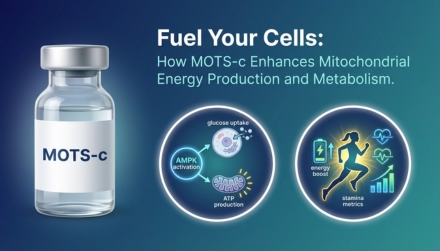
MOTS-c works by activating AMP-activated protein kinase (AMPK), a critical regulator of energy metabolism. This activation enhances glucose uptake in cells and promotes fat oxidation, leading to improved energy utilization. The peptide's ability to modulate these pathways contributes to its potential benefits in managing weight and improving insulin sensitivity.
MOTS-c: Mechanisms, Metabolism, Insulin Resistance & Exercise
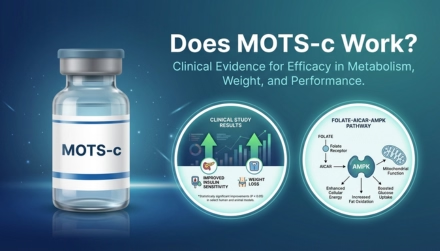
MOTS-c is a peptide encoded by the short open reading frame of the mitochondrial 12S rRNA gene. It is significantly expressed in response to stress or exercise and translocated to the nucleus, where it regulates the expression of stress adaptation-related genes with antioxidant response elements (ARE). MOTS-c mainly acts through the Folate-AICAR-AMPK pathway, thereby influencing energy metabolism, insulin resistance, inflammatory response, exercise, aging and aging-related pathologies.
-- Mitochondria-derived peptide MOTS-c: effects and mechanisms related to stress, metabolism and aging, 2023
| Category | Detail | Key Takeaway |
|---|---|---|
| What It Is | Mitochondrial-derived peptide from 12S rRNA gene | Naturally produced in response to stress/exercise |
| How It Works | Activates AMPK via Folate-AICAR-AMPK pathway | Enhances glucose uptake and fat oxidation |
| Pathway | Folate-AICAR-AMPK | Influences energy, insulin, inflammation, aging |
| Benefit -- Insulin | Improved insulin sensitivity | Better blood sugar regulation |
| Benefit -- Weight | Fat oxidation and body composition support | Effective weight management tool |
| Benefit -- Performance | Enhanced endurance and recovery | Beneficial for athletes and active individuals |
| Dosage -- Initial | 10-20 mg/week subcutaneous injection | Starting dose; physician-determined |
| Dosage -- Maintenance | Adjusted based on individual response | Ongoing optimization with provider |
Benefits of MOTS-c
- Improved Insulin Sensitivity: By enhancing glucose uptake, MOTS-c helps regulate blood sugar levels, crucial for metabolic health.
- Weight Management: The peptide's role in fat oxidation supports weight loss efforts and helps maintain a healthy body composition.
- Enhanced Exercise Performance: MOTS-c may improve endurance and recovery, making it beneficial for athletes and active individuals.
MOTS-C peptide is a mitochondrial-derived peptide that plays a crucial role in cellular energy metabolism and longevity. This powerful peptide helps regulate glucose metabolism, enhance insulin sensitivity, and promote healthy aging processes. Research shows MOTS-C may support weight management, improve exercise performance, and protect against age-related metabolic decline.
Dosage Protocols
- Initial Dosage: A common starting dose is around 10-20 mg per week, administered through subcutaneous injection.
- Maintenance Dosage: After the initial phase, the dosage may be adjusted based on individual response and treatment goals.
Work with a healthcare provider to determine the most effective dosing strategy tailored to individual needs.
What are the safety considerations and common side effects of MOTS-c?
Common side effects include injection site reactions (localized redness/swelling), temporary flushing (brief warmth or skin redness), and mild headache. These are typically mild and resolve quickly. Patients should discuss pre-existing conditions or medications that may interact with MOTS-c therapy.
What clinical evidence supports MOTS-c therapy?
Clinical evidence is still emerging. Preclinical studies show promising results in animal models with improvements in metabolic health and insulin sensitivity. Animal studies demonstrated prevented obesity, brown fat activation, and AMPK pathway improvement. More human clinical trials are needed for comprehensive efficacy and safety data.
How is MOTS-c therapy administered and supervised?
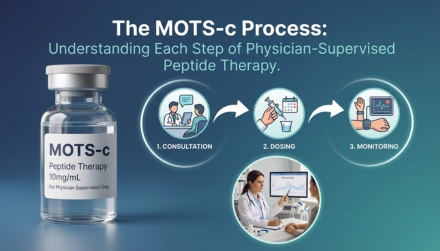
Therapy involves evaluation of patient history and current health status, tailored dosing protocol selection based on individual goals, and regular monitoring with follow-ups to assess progress and make adjustments. All administered under qualified physician supervision.
How does physician supervision ensure safety and personalization?
Physicians evaluate medical history to identify potential risks, monitor progress through regular check-ins, and adjust treatment as needed based on individual response and health changes. This ensures safe, effective therapy tailored to each patient.
How are side effects monitored and managed during therapy?
Through regular check-in appointments to assess any side effects, open dialogue with patients about adverse effects, and management strategies including dosage adjustments or supportive care when needed.
How can patients access MOTS-c therapy and what are payment options?
Access through specialized clinics offering physician-supervised treatment. Visit the Mots-c.com website, schedule a consultation, and receive a prescription after evaluation. FSA/HSA may be eligible for reimbursement depending on plan coverage.
Safety and Considerations
While MOTS-c therapy is considered safe, potential side effects include:
- Injection Site Reactions: Localized redness or swelling at the injection site.
- Temporary Flushing: A brief sensation of warmth or redness in the skin.
- Mild Headache: Some individuals may experience headaches following administration.
These side effects are typically mild and resolve quickly, but monitoring is essential for patient safety. Patients should inform their healthcare provider of all medications and supplements to avoid potential interactions.
| Category | Detail | Guidance |
|---|---|---|
| Side Effect -- Injection Site | Localized redness or swelling | Typically mild; resolves quickly |
| Side Effect -- Flushing | Brief warmth or skin redness | Temporary; standard peptide response |
| Side Effect -- Headache | Mild headache possible | Monitor; consult provider if persistent |
| Evidence -- Preclinical | Promising results in animal models | Improved metabolic health and insulin sensitivity |
| Evidence -- OVX Model | Prevented obesity; brown fat activation | AMPK pathway improvement confirmed |
| Evidence -- Human | Initial trials suggest favorable safety | More trials needed for comprehensive data |
| Start -- Step 1 | Visit Mots-c.com website | Learn about therapy and benefits |
| Start -- Step 2 | Schedule consultation | Discuss goals with qualified provider |
| Start -- Step 3 | Receive prescription and delivery | Begin physician-supervised therapy |
| Payment -- FSA/HSA | May be eligible for reimbursement | Verify with plan administrator |
Clinical Evidence
MOTS-c: Preventing Obesity, Insulin Resistance & Metabolic Dysfunction
Mitochondrial-derived peptide (MOTS-c) is a 16-amino acid peptide encoded by mitochondrial DNA. Here, we showed that MOTS-c treatment in mice prevented ovariectomy-induced obesity and insulin resistance. MOTS-c treatment increased brown fat activation and reduced OVX-induced fat accumulation and inflammatory invasion in white adipose tissue. Moreover, MOTS-c activated AMPK pathway to improve energy dissipation and insulin sensitivity. In conclusion, MOTS-c is a high potential candidate for chronic treatment of menopausal induced metabolic dysfunction.
-- MOTS-c peptide regulates adipose homeostasis to prevent ovariectomy-induced metabolic dysfunction, 2019
Current clinical evidence is limited but promising. Preclinical studies show improvements in metabolic health and insulin sensitivity. Initial human trials suggest a favorable safety profile. Further research is necessary to establish comprehensive safety guidelines.
Physician-Supervised Administration
Therapy involves evaluation of patient history, tailored dosing protocol selection, and regular monitoring with follow-ups. Physicians evaluate medical background, monitor progress, and adjust treatment based on individual response.
Steps to Begin MOTS-c Treatment
- Visit the Mots-c.com Website: Learn about the therapy and its benefits.
- Schedule a Consultation: Book an appointment with a qualified healthcare provider.
- Receive Prescription and Treatment Delivery: After consultation, receive a prescription and instructions for administering MOTS-c therapy.
FSA/HSA may be eligible for reimbursement depending on plan coverage.
Conclusion
MOTS-c peptide therapy answers a straightforward question with a clear biological mechanism: it's a mitochondrial-derived peptide that activates AMPK through the Folate-AICAR-AMPK pathway to enhance glucose uptake, fat oxidation, and energy production. The body naturally produces MOTS-c in response to exercise and metabolic stress -- therapy supplements this process when natural production declines. Starting at 10-20 mg/week via subcutaneous injection under physician supervision, MOTS-c offers a structured entry point into metabolic peptide therapy with a manageable side effect profile. The evidence base is growing from animal models to early human trials, positioning MOTS-c as an accessible, well-characterized option for individuals seeking to understand and optimize their metabolic health.
Disclaimer: This information is for educational purposes only and does not constitute medical advice. MOTS-c is a peptide therapy not currently FDA-approved. Always consult a licensed healthcare provider before starting, stopping, or changing any treatment. Individual results vary.